Injection Molding
Our custom injection molding solutions deliver premium medical injection molding components and fully assembled medical devices, backed by years of experience with highly engineered performance medical plastics.
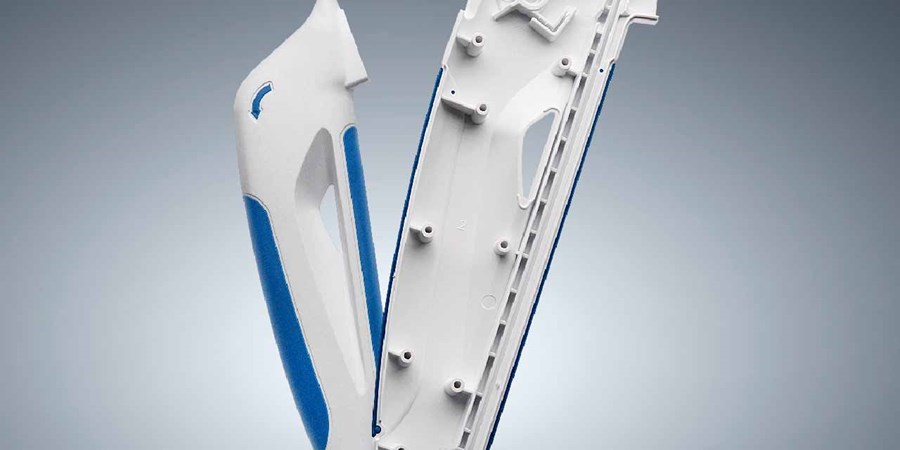
Multi shot injection molding requires expertise in material interactions and combining multiple materials in one mold. DuPont™ Spectrum™ delivers multi-shot product injection molding for complex components from concept to production.
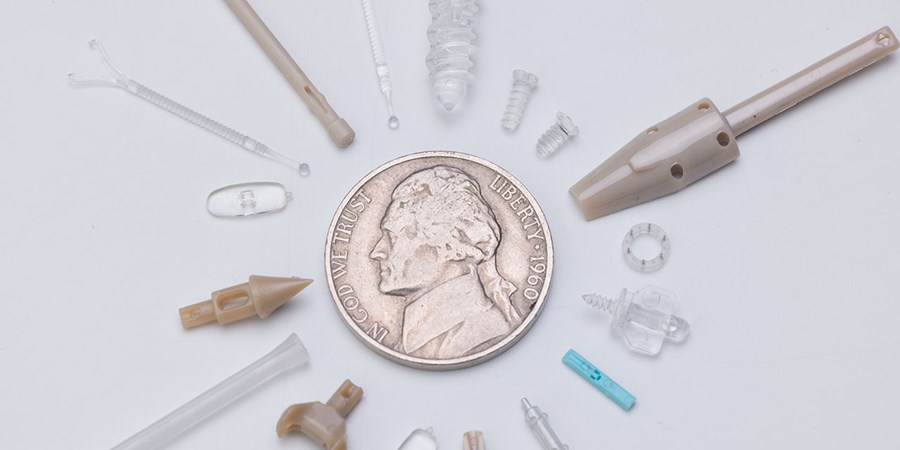
DuPont™ Spectrum™ has extensive experience in micromolding and medical micro molding of PEEK and other implantable or bioresorbable thermoplastics, delivering precision components via micro injection molding.
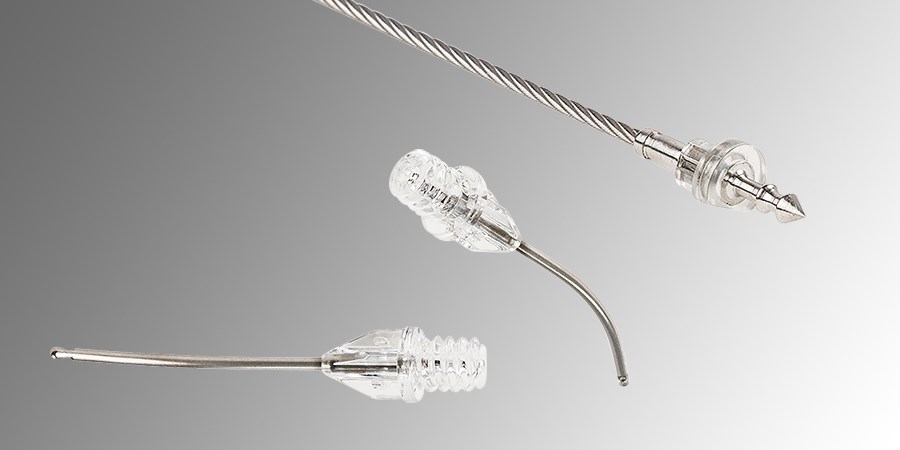
With decades of experience in insert molding and silicone insert molding, we mold onto metal and other substrates, combining material properties to create intricate designs for aesthetics, branding, and ergonomics.
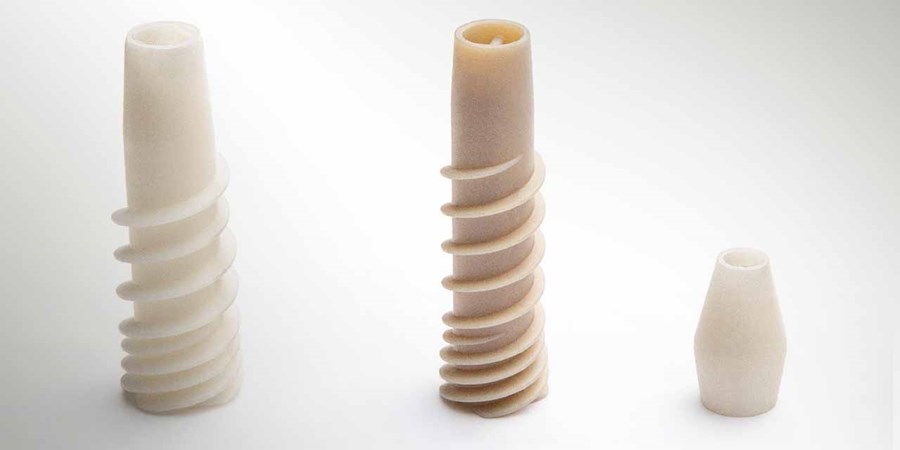
Implantable and bioresorbable materials pose unique processing challenges. As a pioneer in implantable plastics, we have dedicated expertise for manufacturing implantable components, including implantable-grade PEEK fasteners, anchors, and bone screws.
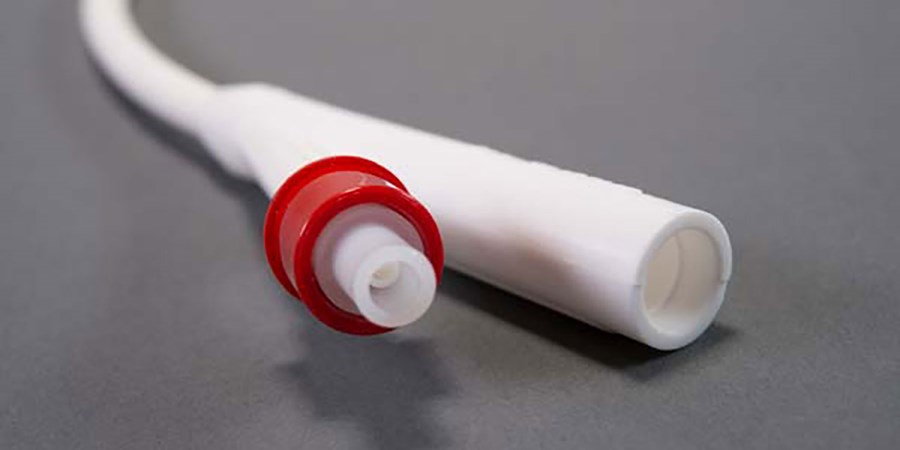
Our medical silicone injection molding capabilities include liquid silicone rubber injection molding (LSR), silicone rubber transfer molding, and LSR silicone molding overmolding.
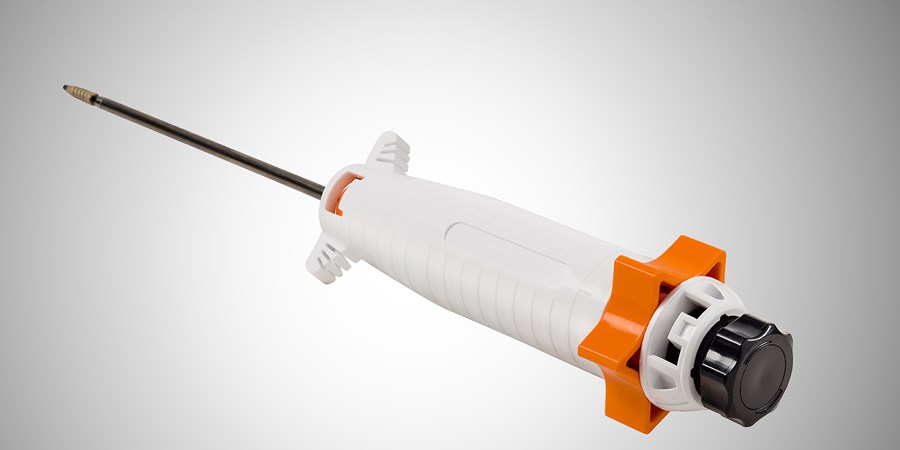
As a single-source partner for surgical medical components, we support complex surgical devices throughout the full lifecycle, from design for manufacturability through development, validation, and manufacturing.
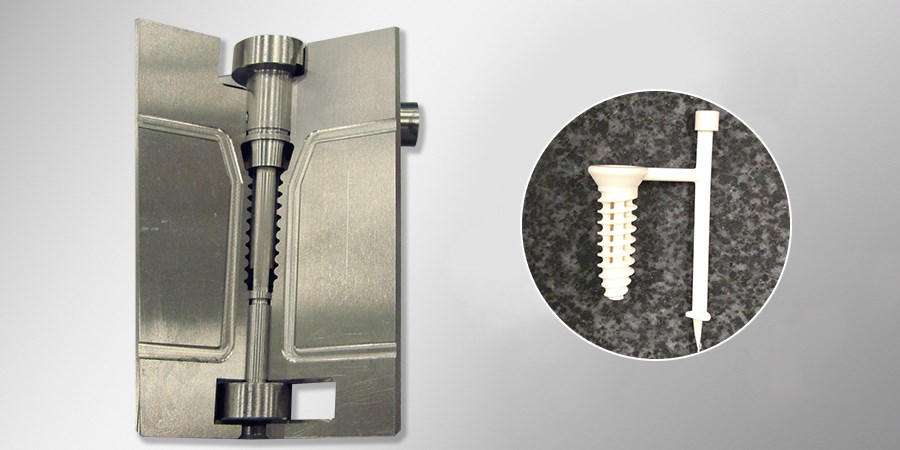
Injection molding prototyping is the process of developing a tool to produce a molded part. DuPont™ Spectrum™ provides prototype injection molding services to create your part as close to the intended design and functionality.
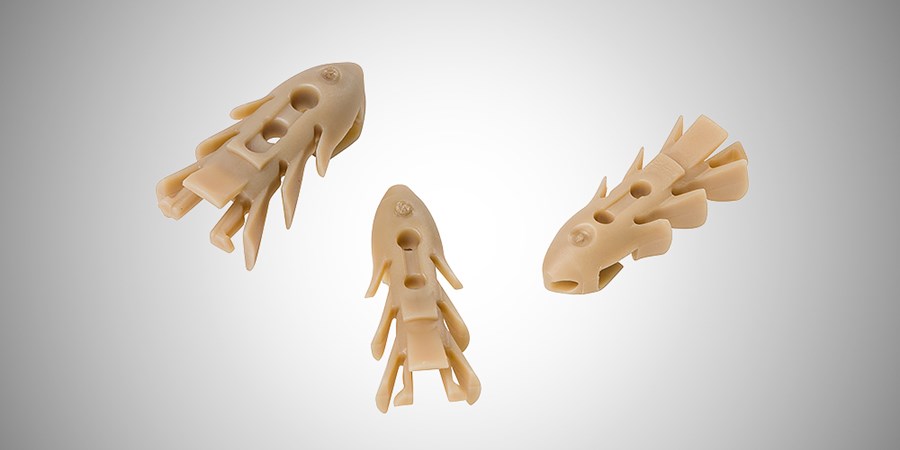
Polyetheretherketone (PEEK) is a high-strength, high-temperature thermoplastic with superior mechanical and chemical properties ideal for demanding PEEK injection molding applications.
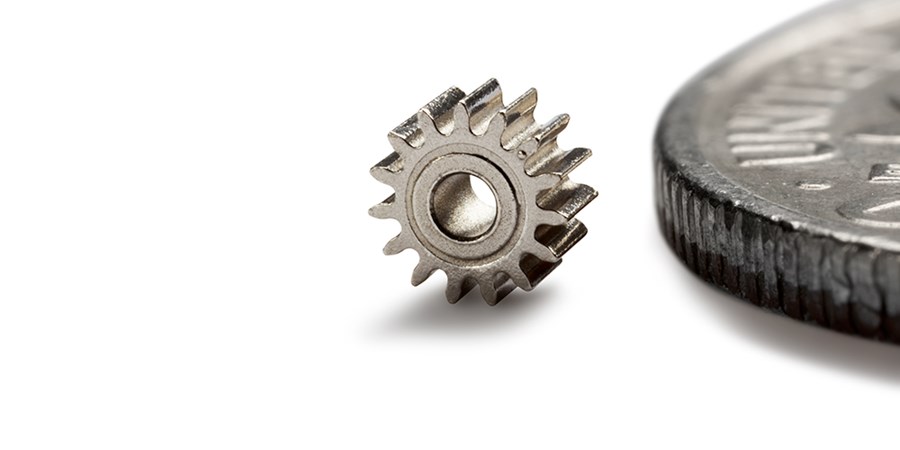
A next generation shaping process, micro-MIM quickly, consistently and cost-effectively produces tiny medical device parts and features with tight tolerances at high volumes.
Medical injection molding for medical device industry requires specialized expertise beyond conventional plastic manufacturing capabilities. The process demands stringent quality management systems (ISO 13485:2016 certified) with comprehensive documentation and traceability throughout production. Cleanroom environments (typically Class 7 or 8) prevent contamination, while validated processes ensure reproducibility across production runs. Material selection involves medical-grade resins with appropriate biocompatibility certifications for patient contact. Precision tolerances often exceed general industry standards, typically achieving ±0.001" or better for critical dimensions. These requirements collectively ensure components meet the exacting standards required for medical devices subject to regulatory scrutiny.
Regulatory compliance for medical injection molding begins with comprehensive documentation and validation. Design history files maintain complete records from concept to production, while material certifications document biocompatibility testing (ISO 10993, USP Class VI) for patient-contact components. Process validation following IQ/OQ/PQ protocols ensures manufacturing consistency, with statistical process control monitoring critical parameters throughout production. Rigorous change control procedures prevent unauthorized modifications that could impact regulatory status. Finished device testing verifies performance specifications, and full traceability from raw material to finished component supports regulatory submissions while enabling targeted recalls if necessary.
Material selection for medical injection molding requires systematic evaluation of application-specific requirements. Biocompatibility testing requirements must align with intended patient contact duration and type, while sterilization method compatibility (EtO, autoclave, gamma) influences material stability. Mechanical performance needs include strength, flexibility, impact resistance, and wear characteristics appropriate for the device function. Chemical resistance against bodily fluids, cleaning agents, and medications prevents premature degradation. Regulatory history and master file availability streamline submission processes, while material cost and processing characteristics impact manufacturing economics. These considerations collectively determine the optimal resin for specific medical applications.
Micromolding technology enables the production of increasingly miniaturized components essential for minimally invasive medical procedures. Specialized injection units provide precise shot control for components weighing less than 1 gram, while micro-detailed tool fabrication achieves feature sizes as small as 0.0015". Advanced vision systems perform 100% inspection of microscopic features impossible to verify with conventional methods. Specialized material formulations optimize flow characteristics for micro-features without compromising mechanical properties. These capabilities collectively enable sophisticated medical devices that reduce surgical trauma, accelerate patient recovery, and enable procedures in previously inaccessible anatomical locations.
We’re happy to help with your projects in any way we can. Contact us and we’ll email you back the information you’re looking for, or we’ll schedule a call to discuss with you in more detail.


DuPont™ Spectrum™ is the starting point for medical device development requiring critical components. Our off-the-shelf tubing and components are available in our Component Webstore to accelerate the design and development of your next project.